
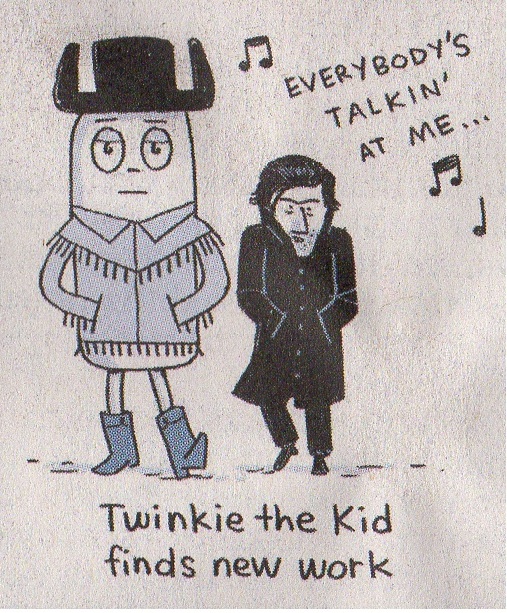
This cartoon by John Martz, in the Globe and Mail, makes my day.
As we say good-bye to 2012, we can also bid adieu to the Twinkie. He’s moving on. Good luck Twinkie Kid, you’re going to need it!
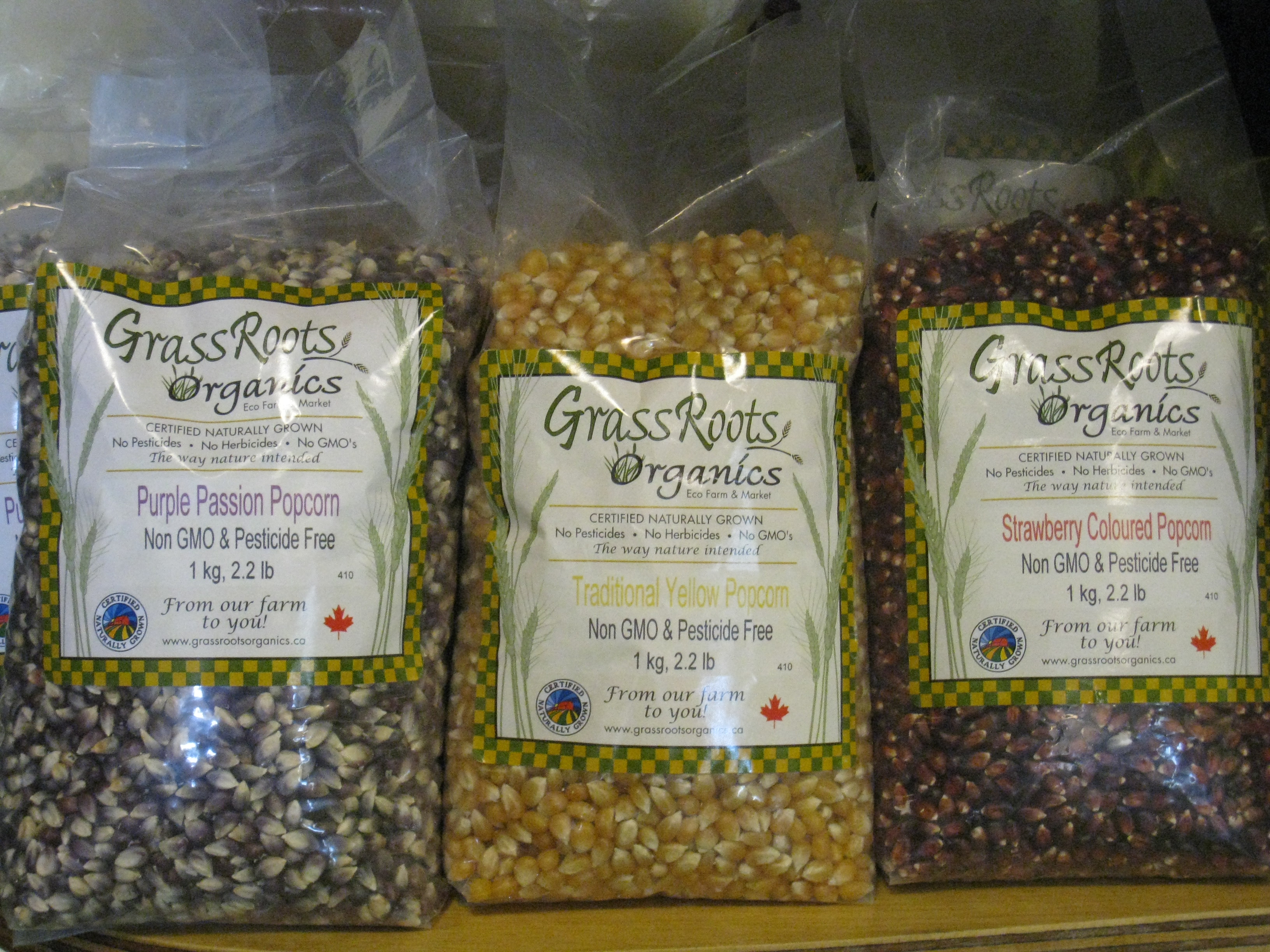
It is a disappointment that California’s Prop 37 didn’t go through last month. If the ‘Yes’ side had won, the labeling of genetically modified foods in the U.S.’s most populous state would have become mandatory.
Imagine how this would have changed the food game.
Manufacturers would be required to come clean about the ingredients they put in their products. Consumers would have the power to make an informed decision about what they buy. We would, all of a sudden, have a choice – either eat GM foods or avoid them.
Someone, please, tell me when modern America abandoned its capitalist foundations of consumer choice and good ol’competition? China is more forthright on this subject to its citizens.
But it’s not all doom and gloom.
While the ‘yes’ side lost, it has got people talking. It has raised awareness of not only the health risks of consuming GM foods, but also the very un-American lack of choice in American supermarkets.
In Canada, with the exception of a few street protests in Montreal in the late 1990s, GM labeling has been a non-issue. But times are changing.
Canadians are invited to support a public members bill in support of the mandatory labeling of GM foods by signing this online petition.
While we wait for this to go through and make the world a brighter, shinier place, feast your eyes on these two pie charts of who funded the competing sides of the California vote.
If this documentary video doesn’t make you want to ditch the city and get out into some more harvest-time-country-fair action, I don’t know what.
It’s all about the local food scene in Quebec’s Eastern Townships, a region very close to my heart, where I grew up. The film is made by two friends in Montreal. Nice work, ladies!
For full episode, go to The Townshipper’s Table on cbc.ca.
Here’s a YouTube preview:
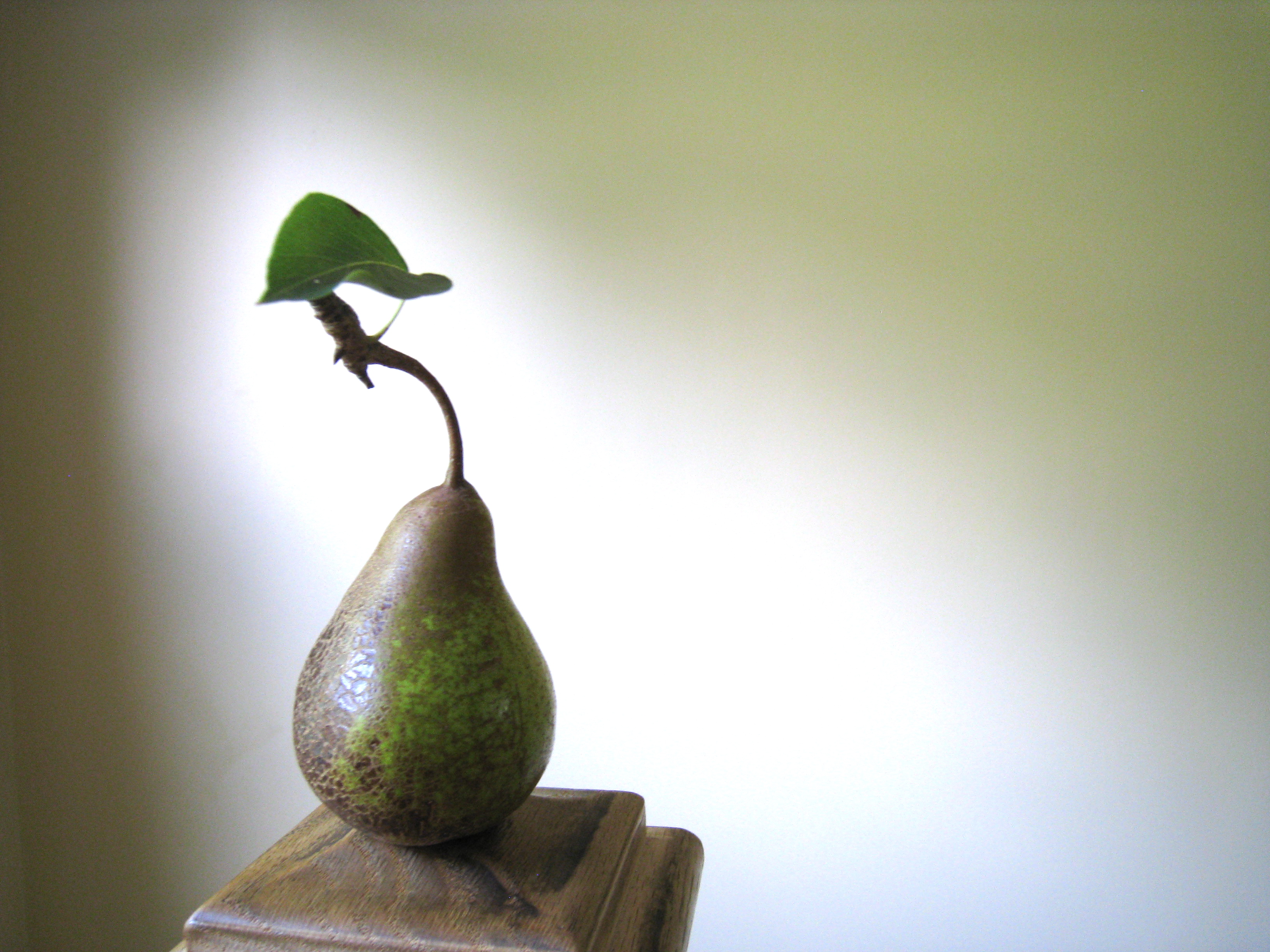
I went pear picking this morning (for the first time ever). It was well worth the early rise on this last day of real summer. The pick was organized by the Halton Fruit Tree Project, a volunteer-based group that picks excess fruit from private property in the area, and then donates it to local food banks. And of course the volunteers get a cut too.
Similar organizations exist all over:
St. John’s Fruit Tree Project by Root Cellars Rock!, St. John’s
urban Orchard by reachAbility, Halifax
Les Fruits Défendus, by Santropol roulant, Montreal,
Hidden Harvest Ottawa
Not Far From the Tree, Toronto
Mississauga Fruit Tree
Hamilton Fruit Tree Project
The Appleseed Collective, Guelph
Out of Your Tree, Saskatoon (winner of the Best Name Award)
Calgary Urban Harvest Project
Operation Fruit Rescue Edmonton
Vancouver Fruit Tree Project
The Sharing Farm Society, Richmond
Lifecycles Fruit Tree Project, Victoria
And that’s just for Canada, for all 7 of us.
I love the whole idea. It’s so simple – and makes sense. If you love local, I seriously suggest you jump on this bandwagon, because it’s actually more like a fun hayride.
Not only does so-called excess food not go to waste (by simply rotting untouched on the ground), it becomes available to people in your community who may not normally have access to fresh fruit, in season, at the height of ripeness and peak of deliciousness. On top of that, you can meet some like-minded people in your area and take home a sweet cut of the bounty.
I am no Martha Stewart, but I am stoked about what to make with these pears—a pie maybe, or compote? Or shall I branch out and try a pear chutney? Ding! That’s the winner.
This morning was a great way to end summer – and I am psyched that the Halton Fruit Tree Project has a few more picks left in its season. Count me in.
I’ve been waiting for this! Jeffery Smith‘s new documentary film Genetic Roulette – The gamble of Our Lives is now out and available on DVD.
Pass it on!
Here’s the trailer:
(If trailer doesn’t load, refresh screen. It’s not displaying immediately for some reason.)
Jeffrey Smith, Executive Director of the Institute for Responsible Technology and author of Seeds of Deception, will be speaking about the latest on GMOs in a FREE ONLINE presentation during the Real Food Summit on July 9th.
The Real Food Summit is a 10-day online conference, sponsored by Underground Wellness, consisting of 27 presentations from real food experts including farmers, doctors, nutritionists, researchers, authors, and bloggers. Some of the experts include: Jeffrey Smith, Joel Salatin (Food Inc.), Chris Kresser, Paul Chek, Mark McAfee, Chris Masterjohn, and more.
I don’t have much more info than this, but it’s free and online, and I know I want to hear Jeffrey Smith.
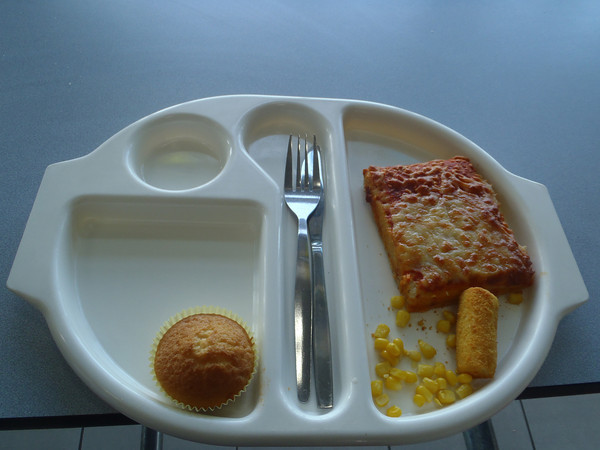
NeverSeconds is a fascinating look at the difference one nine-year-old girl can make.
Martha Payne, Scottish grade school student and food blogger, has managed to turn school lunches on their tail.
It began back in April of this year when, with the help of her father, Martha decided to start a blog to document her school lunches.
With a daily photo and written commentary, Martha rates each meal on a scale of 1 – 10 (the food-o-meter), counts the number of mouthfuls it takes to eat, provides a health rating (1-10), as well as the price it costs and the number of hairs found.
All through the eyes of a nine year old!
Since she began, Martha has succeeded in getting over three million hits, irking local authorities to the point of getting her blog banned (happily, the ban was lifted), raising £27,000 for Mary’s Meals, a charity that sets up school food projects, gained the support and best wishes from Jamie Oliver, and touched the lives of hundred of thousands children across the world who read her blog and send in pictures and comments of their own school meals.
I hope she continues. I hope other kids do the same. I hope hospital patients, if they can, follow suit.
If Martha can create this much debate over the quality of institutionalized meals, surely we all can do something too.
Way to go, girl!
http://neverseconds.blogspot.co.uk/
Agriculture is the biggest contributor to climate change. There is nothing we do to transform the world more than agriculture. So how to we feed our current 7 billion and manage to feed the other 2 billion more that are due to arrive by 2040?
More specifically, how do we feed the world without destroying it?
Jonathan Foley, professor of Ecology and Director of the Institute on the Environment at the University of Minnesota, has an idea for a New Agriculture.
“ Blend the best ideas of commercial agriculture and the Green Revolution with the best idea of organic farming and local food, and the best ideas of environmental conservation. Not to have them fighting each other but to have them collaborating together to form a new kind of agriculture, something I call terraculture, or farming for a whole planet.”
This idea is going to gain currency.
Ontario schools introduced some sweeping food changes to their cafeterias in 2010. The School Food and Beverage Policy forbade the sale of foods with “few or no nutrients, and/ or contain high amounts of fat, sugar or sodium.” Sounds like a good thing, right? Healthier food for kids helps them grow, think more clearly and do better in school. I give the move a ringing endorsement all round. The thing is, the changes have resulted in driving some kids out of the cafeteria altogether — and into nearby convenience stores and fast-food chains, where their business is received with open arms.
But can you blame the kids? After all, wasn’t it always cooler to not eat at the caf?
Well, the Peel District School Board has made a move to change that. The secondary school students of the PDSB, which represents 150 000 students from K to 12, have just held their 2nd annual Cooking Up Action challenge, in which students compete to create enticing menu items using local and sustainable ingredients. The winning recipes will even be added to the lunch menus at PDSB cafeterias in September 2012. Not bad.
The challenge is part of the School Food Action Coalition project, facilitated by Eco Source, a local environmental organization, in partnership with Chartwells, the PDSB foodservice supplier, and Peel Public Health.
In all, 55 teams competed this year, using local ingredients and complying with Ontario’s School Food and Beverage Policy to earn extra points. There were three winning recipes: Sweet Potato & Pear Soup and Blueberry Muffins from Clarkson Secondary School, and Chicken Penne from John Fraser Secondary School.
To make sure flavour, appearance and the joy of eating weren’t lost in the mix, PDSB students themselves sat on the final judging panel, along with reps from Peel Public Heath and Chartwells.
The goal of the challenge, says Stephanie Crocker, Associate Director of Eco Source, was to engage the students with food and provide a hands-on learning experience about local food and healthy eating. And of course, give some options at the caf that might just give the corner store a run for its money.
Check out how the participants from last year did. I love these guys!
Cooking Up Action 2011 5:46 min.
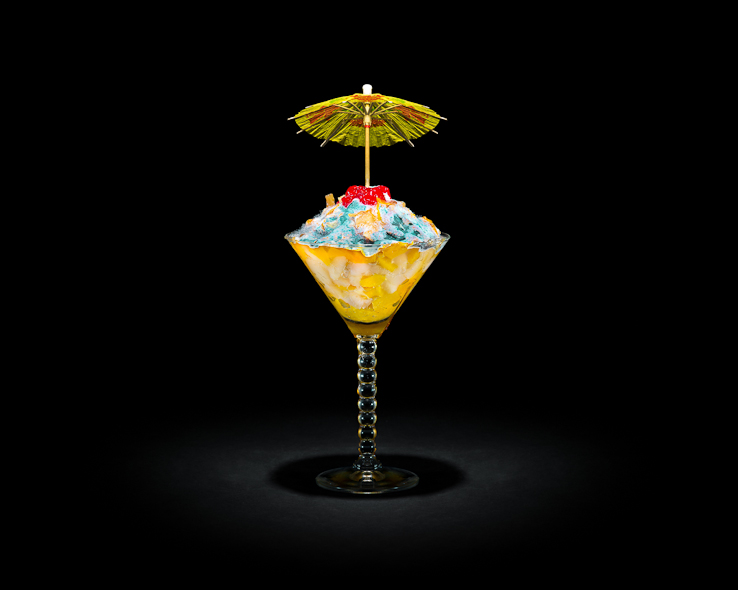
The pictures of rotting and mouldy food in different stages of decay are engaging, repugnant and entertaining all at the same time. Curious?
Welcome to One Third – a series of portraits by Austrian photographer Klaus Pichler that reflect the culture of food waste in industrialized nations.
The name One Third refers to the amount of food that is wasted worldwide, according to a study by the Food and Agriculture Organization of the United Nations (FAO).
The 2011 study, Global Food Losses and Food Waste, revealed that 1.3 billion tons of food produced for human consumption is lost or wasted globally — roughly one third of all food produced. This means that all the resources used up to produce and transport that food are also wasted.
Where does the loss occur? Food is lost throughout the supply chain. Interestingly, where the loss occurs seems to depend on the wealth of the country.
In low-to-medium income countries, loss occurs in the early stages of the supply chain: during harvesting, storing, refrigeration and transportation.
In medium-to-high income countries (Europe, North America), food is wasted in the later stages of the supply chain: this can be due to a lack of coordination between the different players in the supply chain, the buying practices of super-markets, which tend to over buy and overstock so that store shelves offer a constant cornucopia of selection, and consumer behavior (you and me), which demands perfect looking food and wastes good food simply because it can afford to.
Each image in One Third depicts food that was once beautiful, tasty and edible (fruits, vegetables, grains), but has become inedible. The items all come from different parts of the world, travel different distances, and are produced with different methods… with only one thing in common: they arrive in our stores, we buy them and then throw them away.
Bon appétit!


